
The Ketrawe Agroforestry System
A science-based model that bridges conservation and cultivation, integrating environmental research and local knowledge to restore ecological balance while sustaining long-term agricultural productivity.
Bridging Conservation and Cultivation
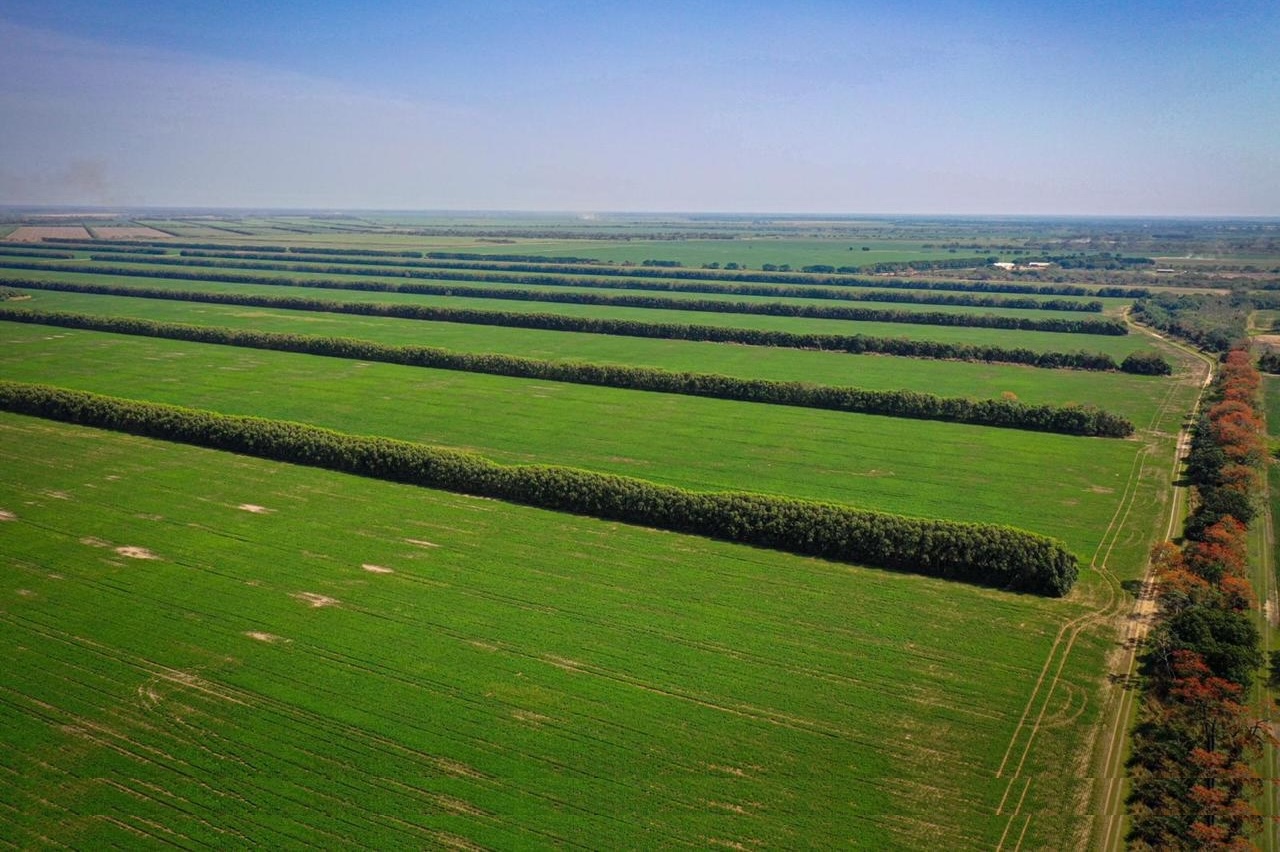
The Ketrawe Agroforestry System bridges the gap between conservation and cultivation, transforming reforestation into a symbiotic partnership where the forest and the farmer thrive together.
By synthesizing years of scientific research with the traditional expertise of local communities, it integrates trees into agricultural landscapes as part of an active restoration strategy.
This approach restores soil vitality and water balance while strengthening long-term productivity through site-specific, evidence-based management.
Knowledge, Restoration & Reciprocity
A conceptual framework that structures how restoration is designed, implemented, and sustained over time.
Knowledge
The Foundation of Every Seed
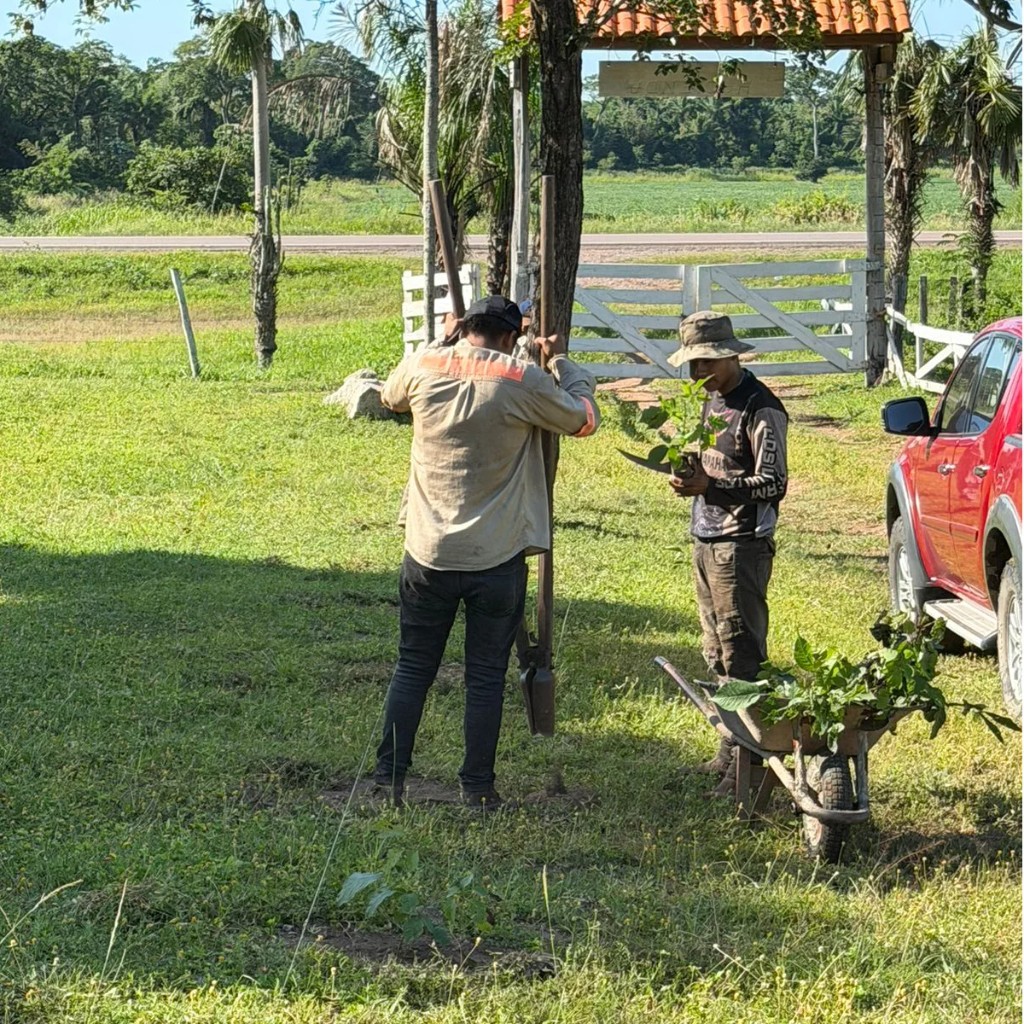
Knowledge integrates environmental science with traditional Amazonian wisdom, recognizing both as essential to place-responsive restoration.
Field decisions are informed by soil microbiology, carbon mapping, and micro-climate adaptation, so each system reflects ecological context rather than generic design templates.
The methodology prioritizes transparency, traceability, and evidence-based reasoning from initial assessment through implementation.
Knowledge is the foundation of every decision made in the field.
Restoration
Healing Ecosystems, Not Just Planting Trees
Restoration is approached as total ecosystem recovery, not as isolated planting. The process rebuilds forest infrastructure as a living, interconnected system.
It restores water cycles, regenerates soil organic matter, and supports biodiversity recovery through multi-layered forest configurations adapted to each landscape.
This ecological architecture improves long-term resilience by re-establishing functional relationships between soil, water, vegetation, and habitat.
Restoration is permanence, not intervention.
Reciprocity
The Science of Partnership
Reciprocity shifts restoration from charity to partnership, placing farmers at the center as long-term guardians of forest systems.
Agroforestry becomes a practical framework for empowerment, where livelihood stability and ecological stewardship reinforce each other.
The result is a durable cycle in which productive land use and ecosystem health evolve together through shared responsibility.
When the forest thrives, the community thrives.
Methodological Process
A clear sequence that translates ecological knowledge into long-term regenerative practice.
Scientific Assessment
Context analysis defines ecological conditions, constraints, and restoration priorities.
Agroforestry Design
A site-adapted system is configured to align cultivation with ecosystem function.
Farmer Integration
Implementation is co-developed with farmers through practical guidance and shared decisions.
Long-Term Stewardship
Stewardship sustains system integrity through ongoing learning and adaptive management.
From Restoration to Regeneration
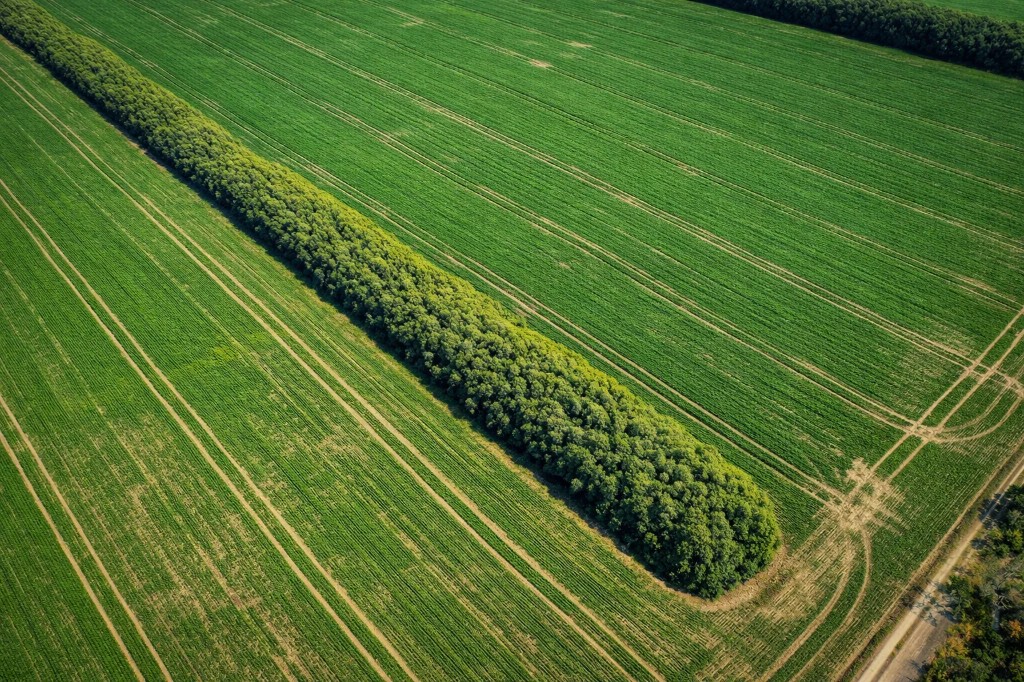
The Ketrawe Agroforestry System frames restoration as a long-duration relationship between ecological integrity and human stewardship. Through knowledge, restoration, and reciprocity, it supports landscapes that regenerate while communities sustain their role as active custodians.